
2. Sell digital products
With digital products, you create once and sell endlessly to build passive income. From eBooks and printables to spreadsheets and design templates, these items sell because they teach something, save time, or keep buyers organized.
Best for: problem-solvers who turn ideas into useful tools
Requirements:
-
A digital product idea built around a problem you’ve solved yourself
-
A tool to build it in, like Google Workspace or Canva
-
A sales channel, like a marketplace or your own website
Tips:
-
Start with something you already use that makes your own life easier
-
Show the product in use on social media rather than describing it
-
Price a lite version low to pull in first buyers, then upsell the full edition
3. Start a dropshipping business
Dropshipping is similar to Print on Demand in that you don’t buy inventory or store products yourself. The difference is that you sell ready-made goods a supplier already produces, with no custom design on them.
Setup is quick, which is why dropshipping is a common first store. The trade-off is that your products look like everyone else’s, so branding and marketing do the heavy lifting.
Best for: entrepreneurs who want a store live fast without managing stock
Requirements:
-
A supplier you’ve ordered from yourself and trust on delivery times
-
An eCommerce platform or marketplace
Tips:
-
Look for hard-to-find products your audience is already searching for
-
Learn one marketing channel properly, whether that’s paid social or SEO
-
Write your own product descriptions instead of pasting the supplier’s
4. Sell stock photos
Selling stock photos means uploading images to a platform like Adobe Stock and earning every time someone licenses one. Phone shots count. A clean frame of a workspace, a commute, or a morning coffee sits in the same libraries as studio work.
Best for: casual or professional photographers who want their archive earning
Requirements:
Tips:
-
Shoot the subjects buyers struggle to find, like real home offices and everyday meals
-
Add descriptive keywords to every upload so your images surface in searches
-
Upload in batches around a single theme, which makes you easier to license from
Quick read: How to sell photography prints like a pro
AI or tech-driven side hustle opportunities
If you’re tech-savvy, these side hustle ideas open up new ways to earn money online.
5. Create and sell AI prompts
Selling ready-made prompts for tools like ChatGPT, Claude, Gemini, or Midjourney is a straightforward way to earn extra income while working full-time. Buyers get a tested result without burning their own credits on trial and error.
Best for: heavy AI users who already keep a prompt library
Requirements:
-
Deep familiarity with at least one AI tool
-
A storefront for digital files, such as Gumroad or your own site
Tips:
-
Run each prompt ten times before you list it, so buyers get consistent output
-
Bundle prompts by job, like cold emails or product photography, instead of selling them one by one
-
Include a short usage guide in the file, since that’s what earns repeat buyers
Quick read: How to make money with AI: ideas and practical tools
6. Flip and sell websites
Website flipping means buying or building sites, improving them, and reselling at a profit, like digital real estate. Many flippers buy a site that already has steady search traffic rather than starting from zero. Owners sell because they’ve lost interest in maintaining the site or want to cash in the value they’ve built.
Best for: people with web development and digital marketing skills
Requirements:
Tips:
-
Target niches with high advertiser demand, like travel, finance, or health
-
Document traffic growth month by month, because buyers price on the trend line
-
Fix page speed and internal links first, since they’re the cheapest wins
7. Edit short-form video with AI tools
Short-form video editing means turning one long recording into a week of clips for a creator or a small brand. AI-assisted editors such as Descript and CapCut handle transcription, silence removal, and captions, so the manual work is trimming and ordering the clips.
This sits right next to the creator economy hustles further down, which is where your first clients come from.
Best for: people with an eye for pacing who want paid work without a design portfolio
Requirements:
Tips:
-
Specialize in one format, like podcast clips or coaching reels, and say so in your profile headline
-
Price per finished minute rather than per hour, so faster software pays you more
-
Ask every client for the raw files in one upload link, which saves a day of back-and-forth
Skill-based side hustles and freelance jobs
Many people do freelance work alongside their day job, then turn it into a full-time gig once they’ve built steady clients.
8. Offer digital marketing services
Digital marketing covers social media and email through to search engine optimization (SEO). Small businesses often hire freelancers rather than staffing it in-house.
Find clients on Upwork, Fiverr, or LinkedIn, and agree on the payment terms in writing before you start the work.
Best for: marketers who create content and can show what a campaign delivered
Requirements:
Tips:
-
Lead with one service, like social media management, so you’re easy to hire
-
Collect a testimonial and a before-and-after number from every project
-
Quote a monthly retainer rather than hourly, which steadies your income
9. Become a virtual assistant
A virtual assistant (VA) takes on the tasks a business owner has no time for. Some VAs handle admin like inbox and calendar management, others cover marketing support, such as writing social posts.
VA roles are posted on Upwork and in niche communities for agency owners and creators. Agree on a monthly retainer with tracked hours so your payment dates are fixed.
Best for: organized people who learn tools quickly and manage their own time
Requirements:
Tips:
-
Add one specialized skill, like podcast scheduling or Shopify order support, and charge more for it
-
Learn each client’s preferred communication style in week one
-
Write a short process doc for recurring tasks, which makes you harder to replace
Quick read: How to make money from home
10. Become an online tutor
Teach math, science, or languages over video calls. Parents book tutors for personalized sessions that fit around school.
Students find you through platforms like Wyzant and Preply. Check each platform’s payout schedule before your first lesson, so you know when the money lands.
Best for: teachers and subject experts
Requirements:
-
Deep knowledge of a specific subject and the curriculum behind it
-
A profile on a tutoring platform
-
A quiet space, a webcam, and a stable connection
Tips:
-
A tutoring qualification makes parents more confident about booking you
-
Offer a free trial session, then propose a weekly slot at the end of it
-
Teach one age group and one exam board, because repeat bookings come from specialists
11. Create and sell online courses
Package what you know into a course, whether that’s recorded lessons, slides, or downloadable workbooks. The build takes real effort upfront, but the finished course sells again and again without you teaching live.
Host on Teachable or Udemy, and read the payout terms before you publish, since each platform pays on its own cycle.
Best for: professionals or hobbyists with a skill others are actively trying to learn
Requirements:
-
A topic you know well enough to answer questions on
-
A hosting platform or your own website
-
Screen recording and editing software
Tips:
-
Build the outline from the questions people already ask you
-
Add an exercise after each lesson, so students apply what they learned
-
Release module one free as a lead magnet for the paid course
12. Start an online coaching business
Coaching is live, one-to-one work rather than a recorded course. You give personalized guidance on fitness, career, or business, and you adjust it session by session.
Because the work is tailored, you set your own rate and grow it into a successful business. Fill your first seats from your own network and LinkedIn, and take payment upfront before the session.
Best for: field experts with results they can point to
Requirements:
-
A website and an active social profile
-
A platform to host sessions, like Zoom or Google Meet
Tips:
-
Offer a free discovery call and end it with a clear package and price
-
Sell blocks of six sessions instead of single calls, which stabilizes your month
-
Post one practical insight a week to keep inquiries coming in
13. Become a voiceover artist
Record voiceovers for commercials, audiobooks, podcasts, and animated videos. Explainer videos and ad reads all need a recorded voice.
Audition on Voices.com or list a gig on Fiverr, and ask for a deposit on longer scripts before you record.
Best for: people with a clear speaking voice and an interest in storytelling
Requirements:
-
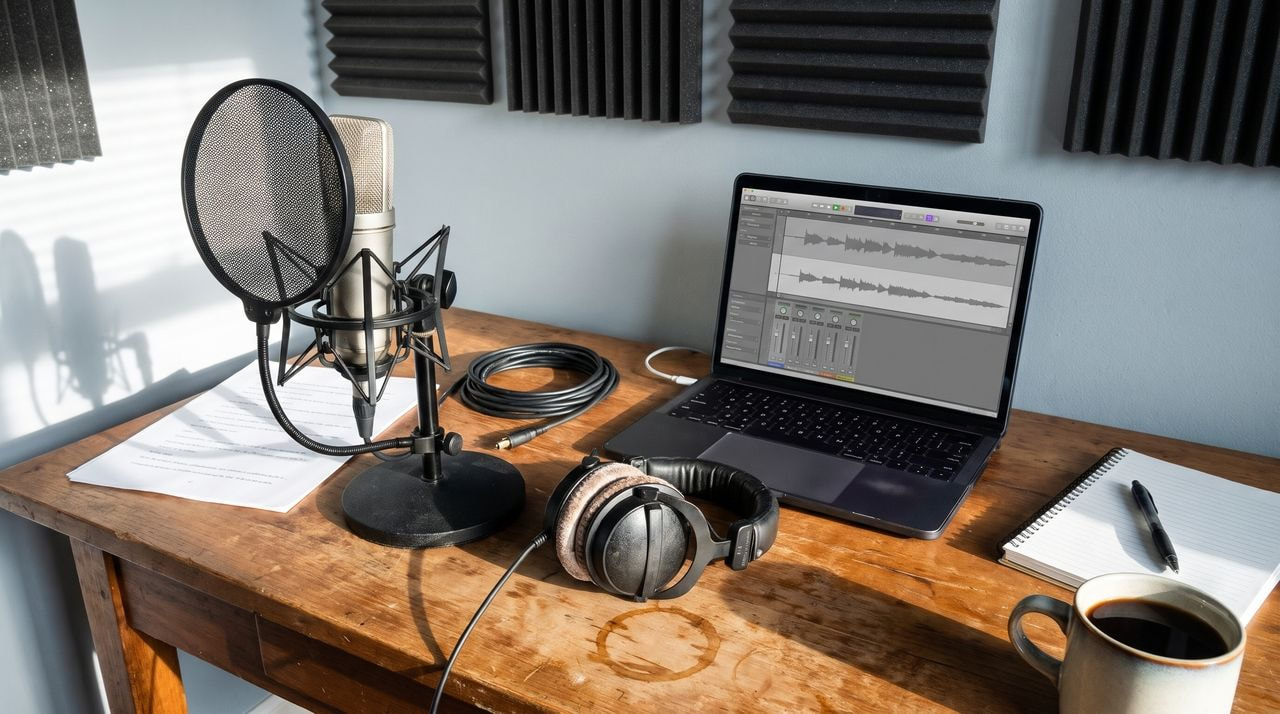
A condenser mic, headphones, and recording software
-
A treated corner of a room to cut the echo
Tips:
-
Record four sample scripts in different tones and host them on one page
-
Build sight-reading skills, so you deliver a cold script naturally
-
Quote per finished hour of audio, not per hour in the booth
Creator economy side hustles
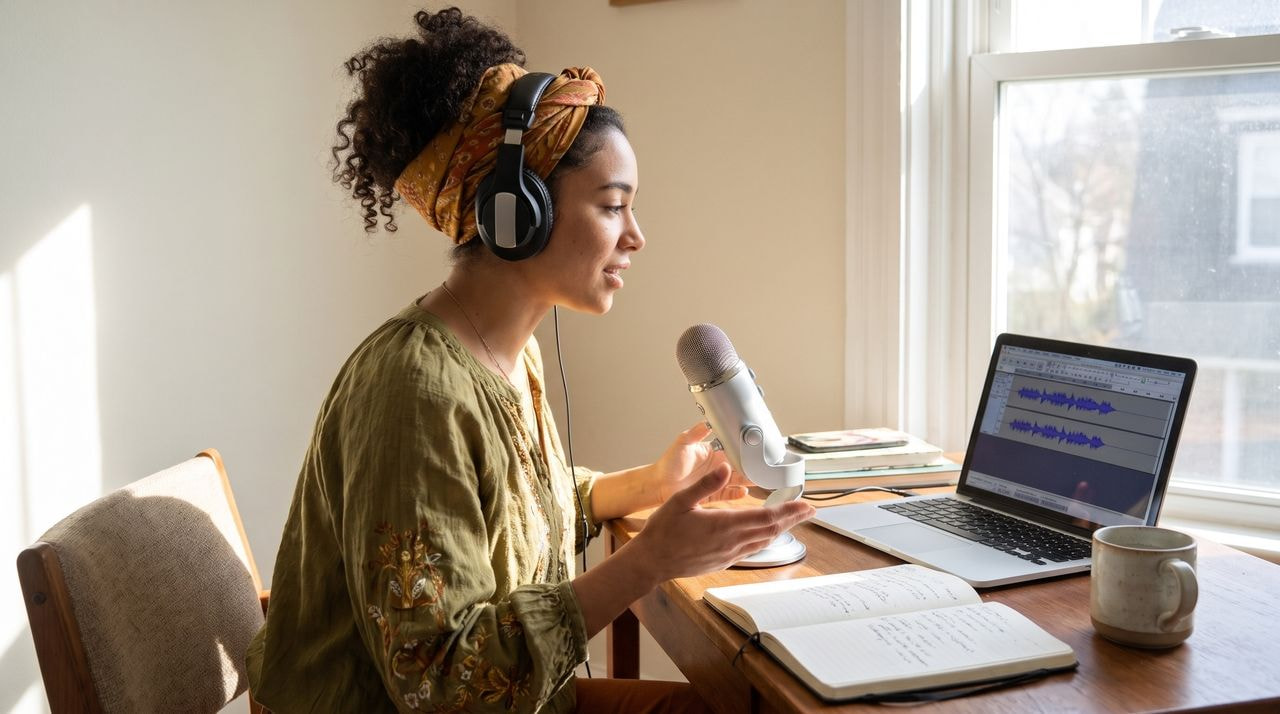
If you enjoy making content and growing an audience, the creator economy offers plenty of side hustle opportunities.
14. Become a social media influencer
Smaller accounts make money as an influencer, too. Brands work with creators in niches where viewers trust the recommendation, and they pay for sponsored posts and affiliate links.
Best for: people who enjoy making content and talking to an audience daily
Requirements:
-
Active profiles on one or two platforms, not all of them
-
A consistent posting schedule you’ll keep on a busy week
-
A clear niche and a point of view
Tips:
-
Skip the chase for perfect production, since relatable posts usually outperform polished ones
-
Collaborate with creators your size to reach new audiences
-
Keep a one-page media kit with your audience numbers ready for brand emails
Quick read: Best time to post on Instagram
15. Launch a YouTube channel
Starting a YouTube channel turns a skill or a personality into several income streams at once. The YouTube Partner Program pays ad revenue once you meet its requirements, and creators add sponsorships, affiliate links, memberships, and YouTube merch on top.
Best for: creators who like teaching, entertaining, or explaining things on camera
Requirements:
-
A channel built around one searchable topic
-
A camera, a mic, and a light
-
Video editing software
Tips:
-
Check your click-through rate per video, then remake the thumbnails on your three worst performers
-
Publish on a fixed day each week so viewers know when to come back
-
Cover topics people search for, then add the angle only you have
16. Become an affiliate marketer
Affiliate marketing is recommending products you rate and earning a commission when someone buys through your link. Affiliates build blogs or social accounts around niches where buyers want a trusted second opinion before spending, like Sleepopolis does for mattresses.
Best for: creators who enjoy testing and comparing products
Requirements:
-
A blog, newsletter, or social account to publish on
-
A place in an affiliate program such as Amazon Associates, ShareASale, or Printful Affiliates
Tips:
-
Promote only products you’ve used, because audiences spot the difference instantly
-
Write side-by-side comparisons, since that’s what people read right before buying
-
Disclose the affiliate relationship clearly in every post
17. Start a podcast
A podcast builds a weekly habit with a small audience, and that attention is what sponsors and listener-support platforms pay for. It also feeds every other hustle on this list, from coaching to merch.
Best for: conversationalists who like long-form ideas
Requirements:
-
A USB mic, headphones, and editing software
-
A hosting platform like Buzzsprout or Libsyn to publish episodes
Tips:
-
Add podcast merch, so listeners support the show and advertise it for you
-
Release the first three episodes together, which gives new listeners a reason to stay
-
Extend the show into webinars, courses, or consulting in the same niche
No-experience online side hustles
These easy online side hustles let you pick up short tasks, work when it suits you, and stay in control of your own schedule, with no special skills needed.
18. Test websites and apps
Companies pay everyday users to try their websites or apps and record what confused them. It’s a beginner-friendly way to make money online, and the task takes minutes rather than hours.
Best for: people who enjoy poking at new digital products
Requirements:
Tips:
-
Narrate your thinking out loud during the test, which is exactly what buyers pay for
-
Keep notifications on, since the best-paid slots fill quickly
-
Finish the screener questions honestly so you match more studies
19. Offer transcription services
Transcription suits fast typists with sharp attention to detail. You turn audio from podcasts, interviews, and meetings into written text, on your own schedule and from home.
Best for: detail-oriented people who like focused, independent work
Requirements:
-
A computer, headphones, and transcription software with a foot-pedal or hotkey setup
-
Strong typing and language skills
-
A profile on a freelance platform like Upwork
Tips:
-
Learn the keyboard shortcuts for rewind and timestamps before your first paid job
-
Ask the client whether AI drafts are allowed, then edit the rough transcript for accuracy
-
Charge per audio minute, and add a rate for poor recordings or multiple speakers
20. Take online surveys
Earn small rewards or cash by answering surveys for market research companies. Brands use the responses to understand customers, and panels pay for completed, thoughtful answers.
Best for: people who enjoy giving honest feedback in short bursts
Requirements:
Tips:
-
Legitimate online side hustles never charge a joining fee, so skip any panel asking for one
-
Fill in your demographic profile fully, which is what qualifies you for better-paid studies
-
Watch your email in the morning, when most invites go out
Which online side hustles pay daily?
Short-task work pays fastest. Website and app testing, online surveys, transcription, and small video editing or voiceover gigs are the online side hustles that pay daily or close to it, because the client checks and approves the work soon after you deliver it.
Freelance services sit in the middle. Digital marketing, virtual assistant work, tutoring, and coaching pay on whatever terms you set, so invoice on delivery or take a deposit upfront, and you’ll see money the same week.
Product and audience hustles pay the slowest at the start. Print-on-demand stores, digital products, YouTube, podcasts, and affiliate marketing all run on platform payout cycles, and the first payout waits on your first customers.
Three things slow a payout down: a minimum balance before the platform releases funds, a review or clearing period on completed work, and the payment method you choose. Legit side hustles online publish all three, so read the payments page before you sign up.
Pick a side hustle you’ll stick with
The best online side hustles in 2026 are the ones you’ll still be doing in three months. Score every idea above against these four factors before you commit a single evening to it.
Time required vs flexibility
Some hustles come with deadlines and fixed hours. Others move at your pace. Be honest about the time you’ll have on a bad week, not a good one.
If evenings and weekends are all you have, pick work that doesn’t depend on live client calls. A print-on-demand store, digital downloads, and stock photos all keep selling while you’re at your day job.
Required skills and learning curve
Start with what you already know. Surveys and app testing need almost nothing, while digital marketing, web flipping, and course building take months to get good at.
Existing skills shorten the distance to your first payment, and that early win is what keeps you going. Pick one new skill to learn on the side, not three at once.
Startup cost and tools needed
Almost every hustle costs something. YouTubers buy a mic and editing software, and sellers pay marketplace listing fees to get products in front of shoppers.
Write two lists: what you need this month, and what can wait until you’re earning. Canva, Google Workspace, and free SEO tools cover a lot of ground on a tight budget, and signing up with us costs nothing.
Income potential vs effort
Freelance work like copywriting or tutoring often pays within your first month. A store or a channel takes longer and then compounds, because the designs and videos keep working after you’ve made them.
Decide which you need right now. If it’s cash this month, start with a service. If it’s something that grows, start building the product and give it a fair runway.
Common pitfalls to avoid when side hustling
Knowing how to start a side hustle is the easy part. Keeping it going next to a full-time job is where most people struggle, so here’s what to watch for.
Overcommitment
Balancing a side hustle with your day job and personal life gets overwhelming fast. Taking on too much at the start burns you out before any of it pays.
Start with one client, one product, or one platform. Once the process feels routine, add the next thing without losing momentum.
Underestimating time and monetary investment
Even online side hustles from home need investment, whether that’s upfront costs, marketing tools, or hours spent learning a new platform.
Expect a learning curve in the first month. Track how long each task takes and what you spend on tools or ads. Those two numbers tell you what to charge and whether the hustle is worth keeping.
Relying too heavily on one platform
Leaning on a single platform for customers or client work is a risk you control. Reach shifts when algorithms change, and the rules you sell under change with them.
Build a backup from day one. Run your own website, post on two channels instead of one, and collect customer emails so you reach buyers directly, whatever happens elsewhere.
How to start a print-on-demand side hustle with Printful
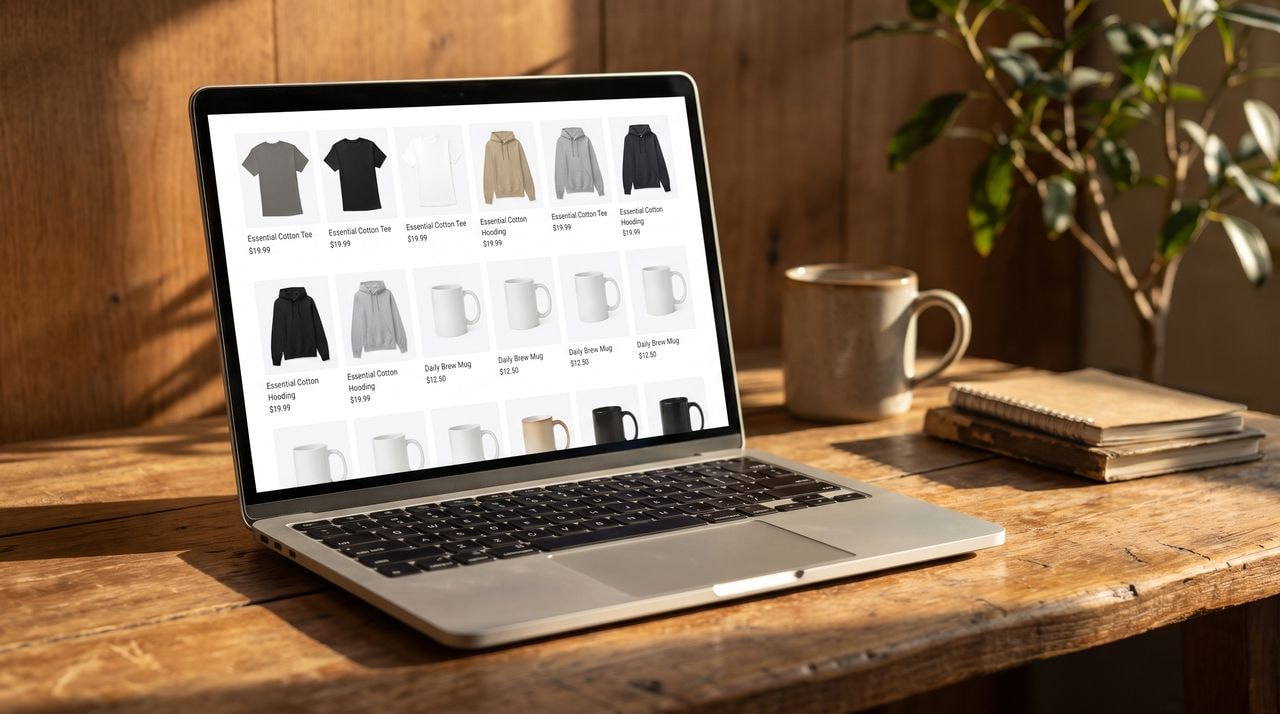
Here’s the whole setup, start to finish. Four steps, no inventory, and nothing to pay before your first order comes in.
-
Pick your products – browse the Product Catalog and choose two or three items your audience already wears or uses, such as t-shirts, hoodies, or mugs.
-
Create your designs – open Design Maker, add your artwork or text, then produce scene photos for your listings in the Mockup Generator.
-
Connect your store – link Etsy, Shopify, TikTok Shop, or another of our integrations so orders reach us automatically.
-
Set your prices and publish – price above our fulfillment cost, check your margin with the Etsy calculator if you’re selling there, then publish to make your products live.
We print, pack, and ship every order under your brand from 12 fulfillment locations, so you carry no stock and no upfront investment. Create a free account to design your first product and list it this week.